No products in the cart.


Recent Posts

Sex Aftercare: Why Feeling Looked After Matters
25/11/2026 Comments Off on Sex Aftercare: Why Feeling Looked After Matters
Menopause and Intimacy for LGBTQ+ Women: What ...
17/11/2026 Comments Off on Menopause and Intimacy for LGBTQ+ Women: What UK Research Says
Worried About Smell During Oral? What’s Normal ...
09/11/2026 Comments Off on Worried About Smell During Oral? What’s Normal Down There
Sex After Having a Baby: What’s Normal ...
04/11/2026 Comments Off on Sex After Having a Baby: What’s Normal and What HelpsSex aftercare is the bit that happens once sex is over: a glass of water, a warm flannel, a cuddle, a few kind words before anyone reaches for their phone. Some people grew up thinking of it as a kink term or a nice extra. So is it fair to expect it?
We think it is. Wanting to feel looked after once you have been close to someone is an ordinary human need, whoever you are with. Below are some simple ideas, and a way to ask for it that doesn’t feel like a big deal.
What is sex aftercare?
The term comes from the BDSM community, where checking in on each other after an intense scene is treated as part of the play rather than an optional add-on. You do not need to be into anything adventurous for the idea to fit, though. At its simplest, aftercare is how you treat each other in the minutes after sex.
For some people that means lying together and talking. For others it is practical: a trip to the loo, a clean towel, a fresh glass of water, the duvet pulled back up. Some want to be held, and some want a little space and a gentle hand on their back. None of these is the correct version. Good aftercare is whatever leaves both of you feeling cared for.
It also works for every kind of relationship. Two women, a man and a woman, a long marriage, a newer partner, solo sex: the question of what you need afterwards applies to all of them.

Why does what happens after sex matter?
It can feel as though everything important has already happened by the time sex ends. Research suggests otherwise. In a 2014 study led by Amy Muise at the University of Toronto, people who spent more time on kissing, cuddling and affectionate talk after sex reported higher satisfaction with both their sex lives and their relationships. Participants said this affection lasted around 15 minutes on average, and in a follow-up three months later the couples still reported feeling more satisfied.
The full paper in the Archives of Sexual Behavior was a fairly small study of couples in monogamous relationships, so it cannot tell you exactly what will happen in yours. It does back up something plenty of people already feel. Post-sex affection is part of the experience, and for many people it colours how they remember the whole thing.
Trust comes into it too. Being close to someone can leave you feeling open. A partner who stays present tells you that the closeness was about you, as well as the sex itself.
Is it normal to feel teary or flat after sex?
Yes, and it is more common than people realise. Feeling low or tearful after sex you wanted and enjoyed has a name: postcoital dysphoria. A 2011 Queensland University of Technology study found that 32.9 per cent of the young women surveyed had experienced it at least once.
A 2015 study by Schweitzer and colleagues in the journal Sexual Medicine, which surveyed 230 female university students, found that 46 per cent reported these feelings at least once in their lifetime, with around 5 per cent noticing them a few times in the previous four weeks. The researchers are clear that the causes are not well understood yet.
So if you have ever cried after lovely sex and had no idea why, you are not broken and it does not mean something went wrong. It is one more reason aftercare matters. A partner who can sit with you and not take it personally makes those moments much easier. If low feelings after sex happen often or upset you, it is worth talking to your GP.
What does good aftercare look like?
Most of it is small. Water helps, especially if you have been at it for a while, and a warm, damp flannel is kinder than a scramble for tissues. If you get cold quickly after sex, keep a blanket within reach.
One practical habit is worth building in. The NHS suggests that you pee as soon as possible after sex and wash the skin around the vagina with water before and after, as ways to lower the chance of cystitis. Our guide to cystitis after sex has more on that. A partner who waits for you to come back to bed, rather than drifting off, is part of the care too.
Touch that asks for nothing is another good option. A slow back rub or a hand massage with a little oil can bring you both down gently, and it tends to feel very different from touch that is heading somewhere. Our massage oils and candles are there if you fancy making it a habit.
Talking helps as well. A quick “Did that feel good for you?” or “Anything you’d like more of next time?” builds trust over time. Keep it light and curious, and save any longer conversations for the next day if you are both sleepy.
How do I ask for sex aftercare without making it awkward?
Asking outside the bedroom usually works best. Over a cup of tea, you might say: “I love it when we stay close for a bit after sex. Could we do more of that?” Framed like that, it sounds like the invitation it is, and most partners like hearing what makes you feel good.
If your partner tends to get up straight away, try not to read it as rejection. Some people feel restless, or never learned that the minutes afterwards matter. Tell them what you would like in plain terms, such as five minutes of cuddling or a glass of water. It is much easier to give someone a specific thing than a general wish to feel more cared for.
It helps to ask what they need too. Aftercare goes both ways, and your partner may have their own wishes they have never said out loud. Our guide to talking about intimacy with your partner has more ideas for starting these conversations, and if you already use agreed signals during sex, a quick chat about afterwards fits naturally alongside them.
What if your partner is not into aftercare?
A gentle conversation often sorts this out. Some people do need space after sex, and that is fine. You can work out a middle ground: a few minutes together before they get up, or a cuddle once they come back from the bathroom.
Feeling regularly dismissed is different. If you have asked clearly and kindly and still feel used or ignored once sex ends, that tells you something about how cared for you feel in general. Stress and safety affect intimacy more than many of us think, as we explain in our post on co-regulation in relationships. If that pattern sounds familiar, it is worth raising outside the bedroom, or with a counsellor.
And if you are on your own, aftercare still applies. Solo sex can be followed by the same water and a few quiet minutes before you get on with your day.
The Short Version
Wanting sex aftercare is reasonable. Ask for what you need in plain, specific terms, and ask your partner what they need too.
FAQ
Is it selfish to want aftercare after sex?
No. Wanting to feel cared for after being close to someone is an ordinary need. Asking for it kindly and specifically, and offering the same in return, is part of a healthy sex life.
How long should aftercare last?
There is no set time. In one University of Toronto study, people reported around 15 minutes of affection after sex on average, but a few minutes of closeness and a glass of water can be enough.
Why do I cry after sex when nothing is wrong?
Feeling tearful or low after sex you enjoyed is called postcoital dysphoria. Australian studies have found that between a third and almost half of the women surveyed had felt it at least once. The causes are not fully understood. If it happens often or worries you, speak to your GP.
Should I pee after sex?
The NHS suggests peeing as soon as possible after sex as one way to lower the chance of cystitis. It is an easy habit to build into your aftercare routine.
Is aftercare only for kink?
No. The word comes from BDSM, but the idea suits any kind of sex and any relationship, including solo sex. It simply means looking after each other once sex ends.
Shop the Story
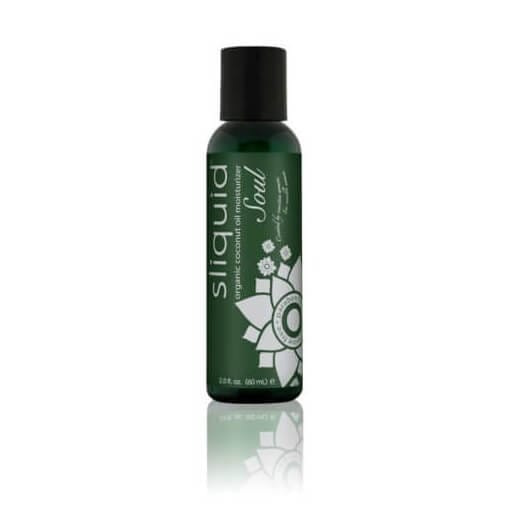
If a slow back rub is part of how you like to wind down together, these are a good place to start.
Ladyloving sells the products we write about. These are relevant to this article, not a ranking.


If this is worrying you, Relate offers sex therapy, and you can find an accredited therapist through the College of Sexual and Relationship Therapists.
Sources
University of Toronto Mississauga: For a better sex life, try a little tenderness (2014)·Muise et al. 2014, Archives of Sexual Behavior·QUT: post-sex blues study, 2011 (ScienceDaily)·Schweitzer et al. 2015, Postcoital Dysphoria, Sexual Medicine·NHS: Cystitis
This article is for general information only and is not medical advice; speak to your GP or a qualified health professional.