No products in the cart.

Water-Based & Silicone LubesLoving Joy Slide Water-Based Lubricant 250mlNo reviews yet£7.99Add to basket






Advice on menopause and intimacy tends to picture one kind of woman in one kind of relationship. If you’re a lesbian, bisexual or queer woman, or you’re trans or non-binary and going through the menopause, you may have noticed the gap between what you read and what your life looks like.
This post is for you, and for anyone who loves you. Here’s what UK research says about LGBTQ+ people’s experience, and what can make sex more comfortable. This is general information, so speak to your GP about your own situation.
A 2024 UK survey study by Sue Westwood at the University of York, published in Post Reproductive Health, included 51 cisgender sexual minority women aged 17 to 89. Their symptoms looked broadly similar to those the paper compares them with in published studies of heterosexual cisgender women. Their experience of healthcare was different. Dissatisfaction centred on access, information and care that assumed everybody was straight. The study also found higher anxiety and depression, particularly among bisexual women, though it was a small sample, so it’s one piece of evidence.
A 2026 paper by Rebecca Ann Simmons, also at York and published in The Sociological Review, spoke to 16 LGBTQ+ people in the UK. Participants engaged with mainstream menopause information selectively, frustrated where it ignored LGBTQ+ lives, and many built their own knowledge by sharing with each other. That’s what a lot of us end up doing anyway: take what’s useful, leave what isn’t.

The NHS lists the menopause as one cause of vaginal dryness, because changing hormone levels affect vaginal fluid. Other causes include some medicines, a hysterectomy, cancer treatments and perfumed products. Dryness can make touch feel sore or sharp instead of good, which is a quick way to lose interest in sex for a while.
The NHS also notes that mood swings, low mood and anxiety are common around the menopause and perimenopause, and that regular sleep routines and rest can help. Desire doesn’t live in one body part. Poor sleep and a sore vulva can pull in the same direction. If that sounds familiar, our posts on sleep and desire and the perimenopause pleasure gap go into more detail.
The symptoms in that study were comparable, but the relationship side can feel different. If you and your partner are a similar age, you may both be dealing with changes at the same time. For some couples that means double the frustration. For others it means a partner who understands exactly what a bad night’s sleep feels like. There’s no standard script either. Sex between women, and between queer and non-binary partners, doesn’t have to revolve around one act, so there’s plenty of room to change what you do when something stops feeling good.
Going slowly tends to help whoever you’re with. Our guide to what happens in your body when you’re turned on explains why rushing hurts. Adding more time for touch before anything is inserted costs nothing and often makes the difference between sore and good.
With a partner, start with something specific: “I’ve been getting sore lately, and I’d like to work out what feels good.” Our post on talking about intimacy without the awkward silence has scripts, and the one on mismatched libido helps if one of you wants sex more than the other.
With a GP, you’re allowed to say who you have sex with and what you need. The NHS advises seeing a GP if dryness has lasted a few weeks and self-care isn’t helping, if it affects your daily life, if you have unusual discharge, or if you have bleeding after sex, between periods or after the menopause. If you’d rather start somewhere less formal, the NHS says you can speak privately to a pharmacist about moisturisers and lubricants. A doctor can also prescribe other treatments, such as vaginal oestrogen or HRT.
If this is worrying you, Relate offers sex therapy, and you can find an accredited therapist through the College of Sexual and Relationship Therapists.
The NHS suggests water-based lubricant before sex, applied in and around the vagina, on fingers or a partner, or on a sex toy. Vaginal moisturisers, which you insert to keep the vagina moist, are another option. It also says to use unperfumed soaps and washes, and to avoid creams or lotions that aren’t made for the vagina, because they can cause irritation or infection.
Use more lubricant than you think you need, and reapply it. Let arousal build for longer. Keep a favourite lubricant by the bed so it’s never a mood-breaker. If you use toys, check the materials first; our plain guide to body-safe materials covers the basics. You can also browse our lubricants to see the range.
A 2024 York survey found menopause symptoms comparable for sexual minority women, and a 2026 York study found LGBTQ+ participants building their own knowledge where mainstream information fell short. Dryness has options, and your GP is the right call if it lasts, or if you notice bleeding after sex.
In one UK survey of 51 sexual minority cisgender women, symptoms were broadly similar to those reported for heterosexual women. The main differences were in healthcare experience, and higher anxiety and depression, particularly among bisexual women. It was a small study, so it can’t speak for everyone.
The NHS lists the menopause as one cause of vaginal dryness, because hormone levels change. You don’t have to put up with it silently. Self-care options and GP treatments exist.
The NHS says water-based lubricant can be used on a partner’s fingers or penis, or on a sex toy. If you’re unsure which lubricant suits your toy’s material, check our guide to body-safe materials first.
The NHS suggests seeing a GP if dryness has lasted a few weeks and self-care isn’t helping, if it affects daily life, if you have unusual discharge, or if you have bleeding after sex, between periods or after the menopause.
The NHS advises avoiding oil-based lubricants if you use condoms, and says water-based options are available.
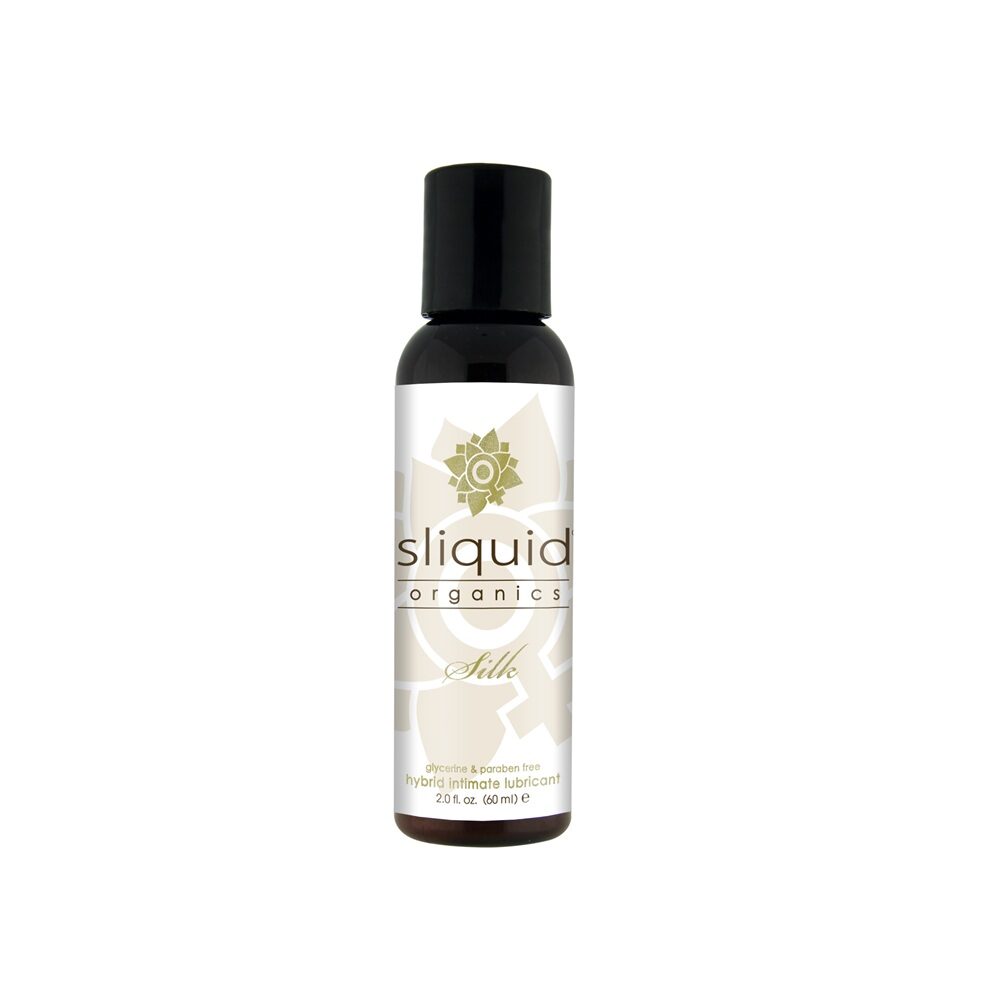
Water-based lubricants and a moisturising gel from our range, picked for comfort.
Ladyloving sells the products we write about. These are relevant to this article, not a ranking.
Westwood 2024, Post Reproductive Health·Simmons 2026, The Sociological Review·NHS: vaginal dryness·NHS: menopause, things you can do
This article is for general information only and is not medical advice; speak to your GP or a qualified health professional.