No products in the cart.


Recent Posts

How to Talk About Intimacy With Your ...
17/09/2026 Comments Off on How to Talk About Intimacy With Your Partner (Without the Awkward Silence)
Reinvention Season: Finding Confidence in Your Own ...
14/09/2026 Comments Off on Reinvention Season: Finding Confidence in Your Own Skin
Self-Care Practices for UK Women: What Actually ...
07/09/2026 Comments Off on Self-Care Practices for UK Women: What Actually Works (and What Doesn’t)
Your Personal Superhero: Finding Confidence and Self-Love ...
05/09/2026 Comments Off on Your Personal Superhero: Finding Confidence and Self-Love Through Intimate WellnessMost of us are better at talking about almost anything else. Money, in-laws, whose turn it is to do the school run — all easier territory than sitting down and saying what you actually want, or don’t want, in the bedroom. That’s not a personal failing. It’s what happens when nobody ever taught us the words for this, and the one place we’re supposed to feel most at ease becomes the one place we go quiet.
The good news is that talking about intimacy isn’t a skill you’re born with or without. It’s more like a muscle. A bit stiff the first few times, then genuinely easier with practice.
Why These Conversations Feel Harder Than They Should
There’s a reason a five-minute conversation about sex can feel harder than a two-hour one about finances. Money conversations, however uncomfortable, come with a script — we’ve all watched other people have them, argue about them on telly, joke about them at work. Conversations about what turns you on, what doesn’t, or what you’d like to try have almost no public rehearsal space. You’re often improvising for the first time with the person whose opinion of you matters most.
Add in a bit of performance pressure, a worry about hurting someone’s feelings, or simple embarrassment, and it’s no wonder these chats get postponed indefinitely. Compatibility research increasingly backs this up — one recent look at what makes couples click found that a couple’s ease with each other, physically and emotionally, often comes down to how safe each person feels being direct, not how similar their desires are to begin with.

Setting the Scene: What “Safe” Actually Means
“Safe” doesn’t mean sitting your partner down for a formal meeting, though for some couples that structure genuinely helps. It means the conversation isn’t going to be used against you later, that neither of you will mock or dismiss what the other says, and that saying “I don’t enjoy that” won’t be treated as a personal attack.
Where and when you have the conversation matters more than people expect. A tense five minutes right before bed, both of you tired and half-undressed, is a hard place to be vulnerable. A relaxed evening, a car journey, a dog walk — anywhere low-stakes and unhurried — tends to work better. It’s the same principle behind why the physical setting around you shapes how close you feel to a partner: comfort in the room becomes comfort in the conversation.
Starting the Conversation Without a Script
You don’t need a perfect opening line. You need one that’s honest and low-pressure. Something like “can I tell you something about what I’ve been enjoying lately” or “I’ve been thinking about something and I’d like your take” does more work than a big, dramatic announcement.
A few things make the actual conversation go more smoothly. Lead with what you want, not just what you don’t — “I’d love more of X” lands very differently to “I don’t like Y,” even when they’re related. Use “I” statements rather than “you” statements, since “I feel disconnected when we rush” invites a conversation, while “you always rush” invites a defence. And give your partner room to respond without filling every silence — some of the most useful things people say in these conversations come out after a pause, not immediately.

When You Disagree About What You Want
Not every conversation ends with both people wanting exactly the same thing, and that’s fine. Mismatched desire is common, well documented, and rarely a sign anything is wrong with the relationship. The aim of talking about it isn’t always resolution. Sometimes it’s simply understanding — knowing where your partner stands, and having them know where you stand, even if you don’t land in the same place immediately.
If a conversation brings up something a bit tender, resist the urge to solve it there and then. It’s fine to say “thank you for telling me that, I need a bit of time to think about it” and pick the thread up later. That’s not avoidance. That’s giving something real the attention it deserves rather than an on-the-spot reaction.
Making It an Ongoing Thing, Not a One-Off Talk
The couples who find this easiest tend to treat it as an ongoing conversation rather than a single, high-stakes event. Checking in occasionally — what’s working, what’s changed, what you’d like more or less of — keeps the pressure off any one conversation to cover everything. It also tends to slow things down in a good way, which is part of why couples drawn to a slower, more mindful pace often report feeling more connected, not less, once the rush is taken out of it.
None of this needs to be solemn. Some of the best conversations happen with a bit of humour in them. Taking the topic seriously and taking yourselves too seriously are different things, and couples who can laugh a little while talking about sex tend to find the whole subject far less loaded over time.
The Short Version
You don’t need the perfect words, the perfect moment, or a script. You need a willingness to say something true, and a partner willing to hear it without judgement. Start small if the whole topic feels too big — one honest sentence is worth more than the conversation you keep planning to have someday.
FAQ
How do I bring this up if we’ve never really talked about it before?
Start smaller than you think you need to. A single observation — “I really liked it when we did X the other night” — opens the door without requiring a whole conversation about your entire intimate life in one go.
What if my partner gets defensive?
Pause rather than push. Defensiveness usually means the topic feels loaded, not that the conversation was wrong to start. Coming back to it gently a day or two later, once things have settled, often works better than continuing in the moment.
Is it normal to want different things sexually?
Yes, very. Desire naturally shifts with stress, health, hormones, and life stage, and it’s rarely identical between two people at the same time. The goal is understanding each other’s current reality, not forcing a perfect match.
How often should we actually check in?
There’s no fixed rule. Some couples find a loose monthly check-in helpful; others simply raise things as they come up naturally. What matters more than frequency is that neither of you is sitting on something unsaid for months.
What if I don’t have the words for what I want?
That’s more common than it feels. Start with sensations and feelings rather than specifics — “I want to feel more present” or “I want things to feel less rushed” — and the specifics tend to follow once the conversation is already open.
Shop the Story
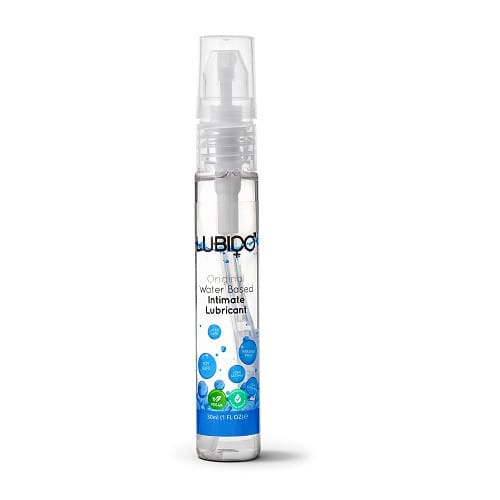
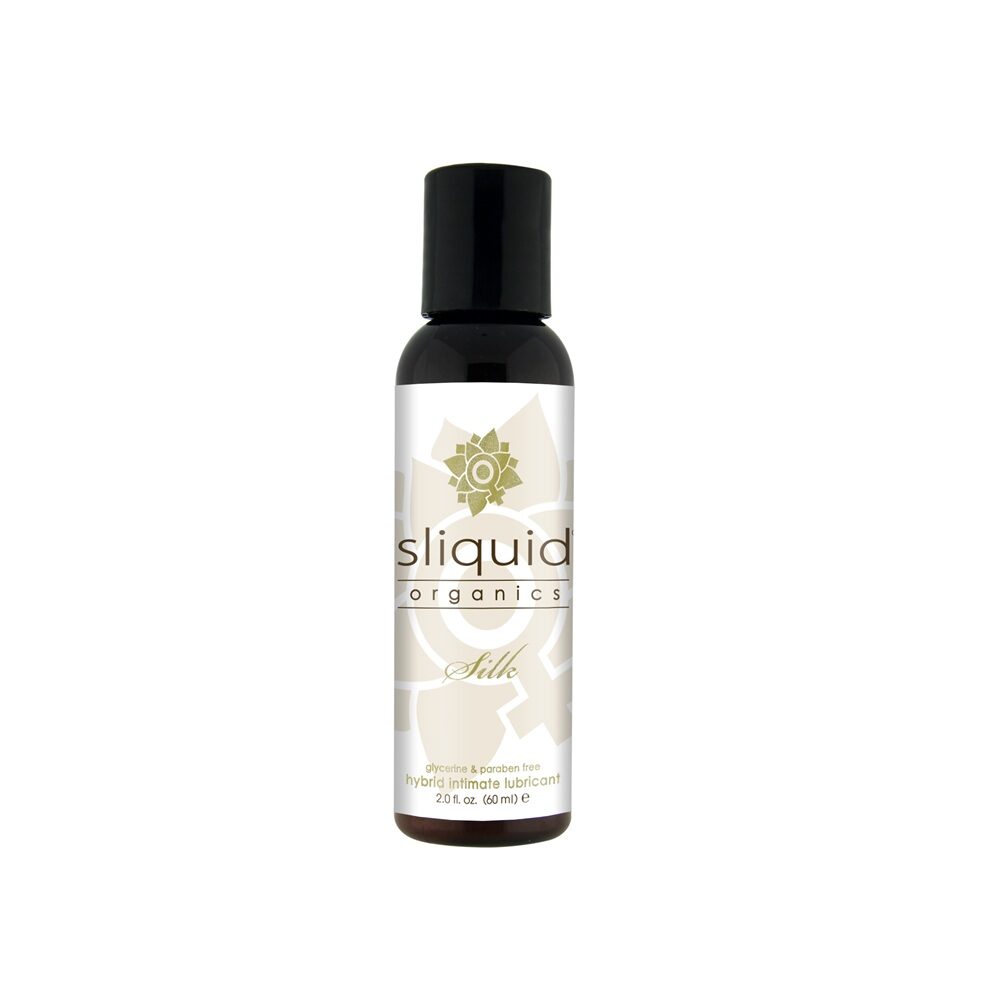
A relaxed conversation often leads naturally into a relaxed evening together — here’s a few things worth having to hand.