No products in the cart.

Water-Based & Silicone LubesLoving Joy Slide Water-Based Lubricant 250mlNo reviews yet£7.99Add to basket





Cystitis after sex is one of those things plenty of women quietly put up with, then discover is far more common than they thought. If you get that urgent, uncomfortable need to pee a day or so after sex and wonder what you are doing wrong, the answer is usually “nothing”.
This is general information, not a diagnosis, and it makes no promises about treatment.
Cystitis is inflammation of the bladder, and most of the time it comes from a urinary tract infection (UTI). The NHS explains that UTIs are usually caused by bacteria from poo entering the urinary tract, and that women have a shorter urethra than men, so bacteria can reach the bladder more easily.
The NHS cystitis page doesn’t name sex itself as a direct cause, but its self-care advice includes steps for before and after sex. It’s reasonable to think about it this way: the urethra sits close to the vagina and the anus, so anything that moves bacteria around that area, including sex, gives them a chance to travel. Many women never have a problem. Others notice a pattern.
The advice is simple. The NHS says to wash the skin around the vagina with water before and after sex, and pee as soon as possible afterwards. It also suggests avoiding scented soap around the genitals, and drinking plenty of fluids, particularly water, so you pee regularly.
If you are prone to symptoms, a few small habits are worth trying. Keep a glass of water by the bed and make the bathroom trip a normal part of the evening. Skip perfumed washes too, as the NHS advises. None of this is a guarantee, but it is the self-care the NHS lists.
The same page says that sugary drinks, fruit juice, coffee and alcohol can irritate the bladder, and that cranberry drinks and cystitis sachets have no evidence of easing symptoms or treating an established infection. So you can save your money.
Sex can feel more irritating when things are dry. We can’t point to a study showing that dryness causes cystitis, so we won’t claim it does. What the NHS does say about vaginal dryness is practical: use water-based lubricants before sex, including on your partner or a sex toy if you use one, and choose unperfumed soaps and washes.
Comfort matters here. Rushing straight to penetration is a common reason sex feels sore, and our guide to what happens in your body when you’re turned on explains why a slower build-up helps. If you’d like to understand the skin down there a bit better, our piece on vulval wellness is a good next read.
For some women, yes. The NHS lists menopause as a risk factor for UTIs, and notes that hormone changes can affect vaginal fluid. The British Menopause Society describes genitourinary syndrome of menopause as a chronic and progressive condition linked to low oestrogen, which can affect the vulva, vagina, bladder and urethra.
That is why it is worth telling a professional if this starts in your forties or fifties. For repeat UTIs in perimenopause or after menopause, the NHS says a GP may prescribe an oestrogen vaginal cream, gel, tablet, pessary or ring. Your GP can talk you through whether that suits you. If you want more on how this stage of life changes things, see our piece on the perimenopause pleasure gap.
Start with the basics the NHS gives: a water-based lubricant. There is one exception to watch for. The NHS advises that if you use condoms, a diaphragm or a cap, you should avoid spermicidal lubricant, as it is linked to a higher chance of UTIs. Check the label, and if you can’t tell, choose a different product.
If you’d like to browse, our lubricants range is a good place to start, and the products below are all water-based. A lubricant is there for comfort. It does not treat cystitis or any infection.
Don’t wait it out if you’re unsure. A pharmacist can help women aged 16 to 64 who are not pregnant or breastfeeding. The NHS recommends an urgent GP appointment or NHS 111 if your symptoms get worse quickly or haven’t improved within 48 hours, if you have blood in your pee, or if you have pain in your lower tummy or back under the ribs. It also advises faster help if you are 65 or older, pregnant, have diabetes, or have a weakened immune system.
The NHS counts UTIs as recurrent if you have two in six months or three in twelve. If that sounds familiar, a GP can look at the pattern with you. It also helps to be able to talk to your partner about it, and our guide to talking about intimacy with your partner has some gentle ways in.
Pee soon after sex, keep a water-based lubricant to hand if dryness is an issue, and speak to a pharmacist or GP if symptoms are severe or haven’t cleared within 48 hours, or if they keep coming back.
Many women do, and the NHS includes self-care advice for around sex. It isn’t a sign you’ve done anything wrong. If it happens often, check the NHS guidance and speak to a pharmacist or GP.
The NHS advises peeing as soon as possible after sex, and washing the skin around the vagina with water before and after. It doesn’t promise this will prevent every episode.
The NHS warns against using spermicidal lubricant with condoms, a diaphragm or a cap. We can’t say other lubricants cause cystitis, but if a product irritates you, stop using it and ask a pharmacist for advice.
The NHS says cranberry drinks and cystitis sachets have no evidence of easing symptoms or treating an established infection. It suggests rest, plenty of water and avoiding bladder irritants such as fruit juice, coffee and alcohol.
The NHS lists menopause as a risk factor for UTIs. If you keep getting them in perimenopause or after, tell your GP, who may talk to you about oestrogen in a vaginal form.
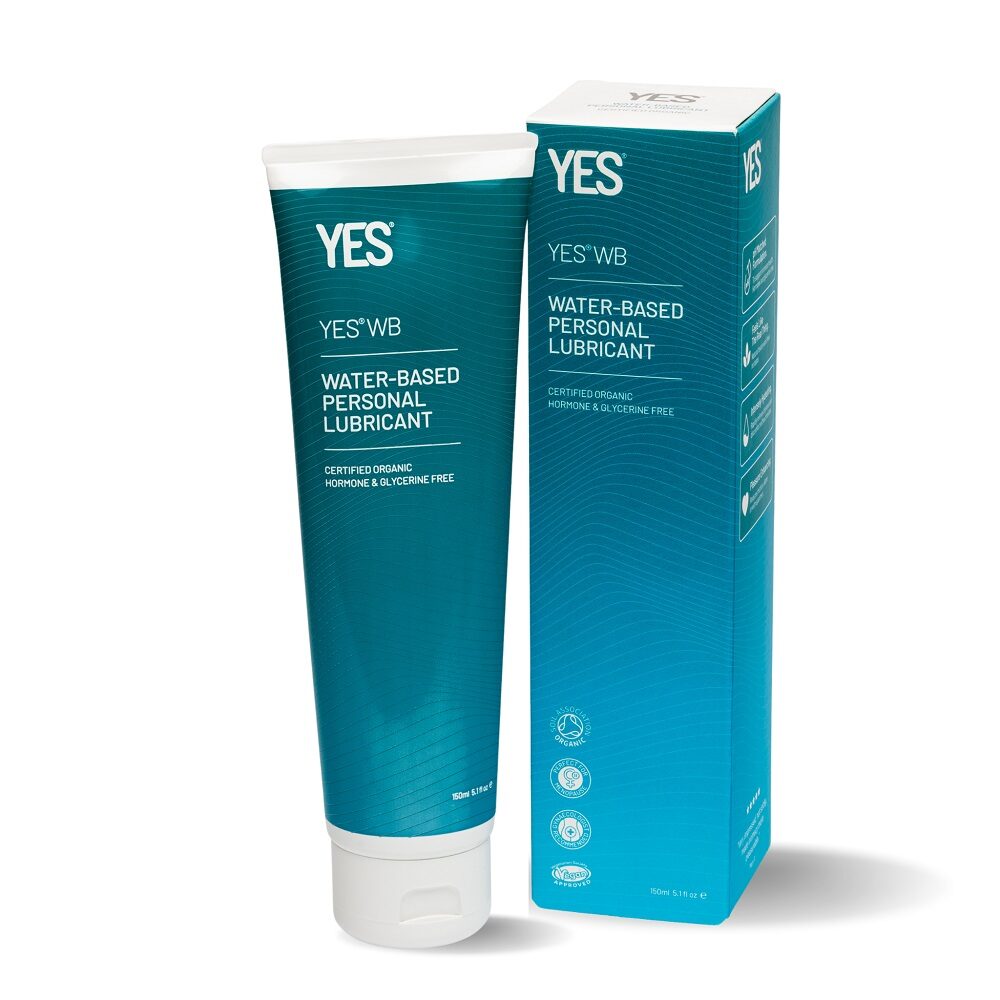
Three water-based lubricants from our range, for the times dryness makes sex uncomfortable. They are there for comfort and do not treat or prevent cystitis.
Ladyloving sells the products we write about. These are relevant to this article, not a ranking.
NHS: Cystitis·NHS: Vaginal dryness·British Menopause Society: Genitourinary syndrome of menopause
This article is for general information only and is not medical advice; speak to your GP or a qualified health professional.