No products in the cart.


Recent Posts

Sex After Having a Baby: What’s Normal ...
04/11/2026 Comments Off on Sex After Having a Baby: What’s Normal and What Helps
“No”, “Stop” and Safewords: Agreeing Your Signals
26/10/2026 Comments Off on “No”, “Stop” and Safewords: Agreeing Your Signals
Cystitis After Sex: Why It Happens and ...
13/10/2026 Comments Off on Cystitis After Sex: Why It Happens and What Helps
When One of You Wants Sex More ...
06/10/2026 Comments Off on When One of You Wants Sex More Than the OtherIf you have had a baby and sex has gone quiet, felt rushed or started to hurt, this is a common experience. For many people, sex after having a baby does not simply return to how it was, and new parents often wonder whether something is wrong with them or the relationship. Often, nothing is. Your days and nights have changed completely.
This is for every kind of couple, whoever gave birth and however your family is made up. There is no deadline here. You will find gentle ways to start again, plus signs that it is worth talking to someone.
Is there a right time to start again?
No. The NHS says there are no rules about when to start having sex again after birth, and that you should go at your own pace because you will probably feel sore and tired at first (NHS: sex and contraception after birth). NCT says sex can resume once bleeding has stopped and when it feels right for everyone, and that stitches from a tear or caesarean need time to heal first (NCT: sex after having a baby).
You may hear that most couples are back to it within a couple of months. NCT reports that by 8 weeks more than half of the heterosexual couples it cites had restarted, and by 12 weeks about three quarters had. Those figures describe some couples, and plenty of people take far longer without anything being wrong.

Why does sex after having a baby feel so different?
Extreme tiredness is one of the biggest, and NCT lists it as a common reason wanting sex can take a while to return. If you had a third or fourth-degree tear or a caesarean, you may feel more anxious about it too. NCT adds that fathers and co-parents may worry about hurting their partner, and that some feel less interested in sex.
Sex that happens in a rush while the baby naps, with one ear on the monitor, is not much fun for anyone. Our post on what happens in your body when you are turned on explains why hurrying makes things harder and why arousal needs time and calm.
Why might it hurt or feel dry?
Hormonal changes after birth can leave the vagina drier than usual, and the NHS lists being pregnant or breastfeeding among the causes of vaginal dryness (NHS: vaginal dryness). Its advice is to use a water-based lubricant before sex, including on a partner or a sex toy, and to avoid perfumed soaps and washes around the vagina.
The NHS advises telling your partner if penetration hurts, and being intimate in other ways in the meantime. A lubricant is a simple thing to try, and our lubricants range has water-based options in a few sizes. If the pain does not ease, mention it at your postnatal check or to your GP. Our post on what your pelvic floor is doing for your sex life explains the muscles involved.
What if you feel touched out?
With a small baby, the day can mean being held and climbed on from waking until bedtime. By the evening, the idea of any more touch can feel like too much. NCT describes this as feeling “touched out”, and notes that some breastfeeding parents do not want their breasts touched sexually, while others find them pleasantly sensitive. Either is normal.
If you are the partner who is not feeling touched out, a no from the other person usually means the day has been hard. Asking “what kind of touch, if any, would feel nice today?” gives the other person an easy way to answer truthfully. Our guide to agreeing signals like no and stop has simple ways to make saying no easy.
How do you talk about it without it getting awkward?
Pick a moment that is not in bed and not mid-argument. A walk with the pram or a cup of tea after the baby is down works well. Start with how you feel rather than what the other person is doing wrong, for example: “I miss being close to you and I am nervous about it hurting.” NCT suggests talking openly about anxieties and about what you would like to do or not do, and it points out that less sex does not necessarily mean the relationship is struggling, provided you keep supporting each other.
If you need a starting point, our post on talking about intimacy with your partner has wording you can borrow. And if one of you wants sex noticeably more than the other, this one on mismatched libido may help.
How do you ease back into sex after having a baby?
Start smaller than you think you need to. NCT says other sexual activity often resumes before penetrative sex, and that kissing and cuddling can keep intimacy going in the meantime. The NHS suggests that if penetration hurts, other activities such as mutual masturbation are still an option.
When you are ready to try more, choose a time when you are not at your most exhausted and agree a signal for “pause”. Build up slowly with plenty of foreplay. NCT notes that sex can feel strange or slightly uncomfortable at first and that feeling at ease matters most. Use lubricant, and stop whenever either of you wants to. Being close counts as a good time, even if neither of you reaches orgasm.
The NHS says you can get pregnant as early as 3 weeks after birth, even if you are breastfeeding and your periods have not returned, so use contraception every time unless you want to conceive. A midwife or your GP can talk you through the options.
When should you speak to someone?
Speak to your GP or health visitor if sex still hurts at your postnatal check, or if worries about sex or your relationship are weighing on you. Do not wait if the pain is getting worse. The NHS also advises seeing a GP if dryness lasts more than a few weeks despite self-care, or if you have unusual discharge or bleeding after sex. Say what hurts and when, and they can check for a cause or refer you on.
If this is worrying you, Relate offers sex therapy, and you can find an accredited therapist through the College of Sexual and Relationship Therapists.
The Short Version
There is no deadline for sex after having a baby. Talk early and begin with closeness rather than penetration. If pain has not eased by your postnatal check, book a GP appointment.
FAQ
How long should you wait to have sex after a baby?
There is no set time. The NHS says there are no rules, and NCT suggests waiting until bleeding has stopped and any stitches have healed. Take your time.
Is it normal not to want sex at all after having a baby?
Yes. NCT says it is perfectly normal not to want sex in the early days, and that no one should feel pressured. If it stays a worry for a long time, a GP or a sex therapist can help.
Can you get pregnant while breastfeeding?
Yes. The NHS says you can get pregnant as early as 3 weeks after birth, even while breastfeeding and before your periods return. Breastfeeding only works as contraception under specific conditions, so ask your GP or midwife what suits you.
What lubricant should you use after having a baby?
The NHS recommends a water-based lubricant for vaginal dryness. You can browse the options in our lubricants range. If dryness lasts for weeks, speak to your GP.
Does less sex mean the relationship is in trouble?
Not necessarily. NCT says less sex does not have to mean the relationship is suffering, as long as you keep supporting each other.
Shop the Story
A few water-based and moisturising options from our lubricants range, if you would like to try one.
Ladyloving sells the products we write about. These are relevant to this article, not a ranking.
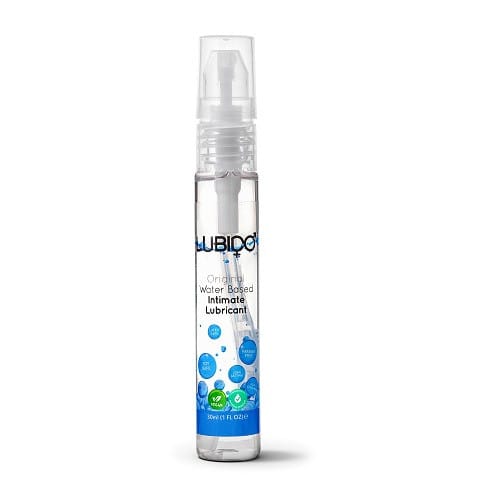

Water-Based & Silicone LubesLoving Joy Slide Water-Based Lubricant 250mlNo reviews yet£7.99Add to basket

Sources
NHS: sex and contraception after birth·NHS: vaginal dryness·NCT: sex after having a baby
This article is for general information only and is not medical advice; speak to your GP or a qualified health professional.