No products in the cart.


Recent Posts

“No”, “Stop” and Safewords: Agreeing Your Signals
26/10/2026 Comments Off on “No”, “Stop” and Safewords: Agreeing Your Signals
Cystitis After Sex: Why It Happens and ...
13/10/2026 Comments Off on Cystitis After Sex: Why It Happens and What Helps
When One of You Wants Sex More ...
06/10/2026 Comments Off on When One of You Wants Sex More Than the Other
Body-Safe Sex Toys: A Plain Guide to ...
01/10/2026 Comments Off on Body-Safe Sex Toys: A Plain Guide to MaterialsYou’re in the middle of something and you want to stop, but the words stick. It might be a flicker of discomfort, or you’ve gone off the idea. Safewords for couples are one answer to that moment, and not everyone agrees on them. Then there is the question of whether “no” and “stop” should already be enough.
They should, and a safeword doesn’t change that. A pre-agreed signal is just an extra option that makes stopping easier and less awkward, whatever your pairing, and whether or not you do anything remotely kinky.
Are “no” and “stop” not enough on their own?
They should always be enough. If anyone says no or stop, in any tone, the activity ends. That is the baseline and nothing in this post replaces it. The NHS sexual health service in Devon is clear that consent can be withdrawn at any time, and that agreeing to something once doesn’t commit you to continuing it.
Real life is messier than a rule, which is why people want more than that. Saying “stop” feels huge when you’re enjoying most of what’s happening. You might worry about hurting your partner’s feelings or killing the mood. Freezing rather than speaking is common. A signal you both chose in advance takes the drama out of it, because it was agreed calmly, when nobody was in the middle of anything.
What is a safeword, in plain terms?
It’s a word or gesture you’ve agreed means “pause, I need to check in” or “this is a full stop”. Safewords come from kink communities, where intense scenes make clear signals especially useful, but the idea carries over neatly to ordinary relationships. Some couples never use the word “safeword” at all. They have a way of saying “can we slow down?” that doesn’t need an explanation.
It also works alongside real-life situations where speaking is hard: when someone is nervous with a new partner, or when you’re trying something new together. Agreeing it in advance means neither of you has to decide on the spot.
How do you pick safewords for couples that actually work?
Keep it simple and hard to mistake for the moment itself. Some couples use traffic-light colours: green for “carry on”, amber for “slow down or check in”, red for “stop completely”. Others use a single word that would never come up in the bedroom, like “pineapple” or “Tuesday”. A non-verbal signal is useful too, such as two taps on the arm or shoulder, especially if you’re gagged or can’t find the words.
A few things help whichever you choose.
Agree it when you’re both relaxed and not about to have sex. Say out loud that “no” and “stop” still work every time, so the safeword is never a hoop to jump through.
Decide what happens next: an immediate pause and a kind check-in, not a debate. Nobody gets teased or sulked at for using it.
How do you bring it up without it feeling awkward?
Choose a neutral moment, such as on a walk or over tea. Start with the feeling rather than the rule.
Something like “I want to make sure that either of us can stop anything without it being a big deal. Can we agree a signal?” lands far better than “we need a safeword”. If one of you pushes back, ask what they’re picturing. Does a safeword feel like a sign that something is wrong, or that a “no” wouldn’t be respected? Talk that through gently.
If conversations like this are hard in general, our guide to talking about intimacy with your partner has some easy ways in, and our post on mismatched libido covers how to say no to sex kindly when you aren’t in the mood.

What should happen when someone uses it?
Stop straight away and take your hands off. Then ask “do you want to talk, or just cuddle?” rather than “what’s wrong?”. There is no need for an explanation unless they want to give one, and no reason to treat it as a verdict on you. The NHS Let’s Talk About It service says plainly that both people need to consent to any sexual or intimate activity, which means the person who stopped has done nothing wrong.
If you were the one who stopped, you can pick things up again later, or not. Both are fine. The Sefton NHS sexual health service says consent is reversible, so it’s fine to say yes and then change your mind. Knowing you can stop is part of what lets you relax into saying yes, and that ties to how safe you feel with a partner. Our piece on co-regulation and intimacy looks at how stress and safety shape intimacy.
The Short Version
“No” and “stop” are always enough, and a safeword never replaces them. Safewords for couples just give you an agreed, low-drama way to pause or stop, which can be easier than finding the words in the moment.
FAQ
Do we need a safeword if we say no and stop?
No, you don’t need one. “No” and “stop” should always end an activity. A safeword is an optional extra for people who find a pre-agreed signal easier or less awkward than speaking up.
Are safewords only for kinky sex?
Not at all. They began in kink communities, but any couple can use a simple signal, such as a colour or a tap, to pause or check in. It can be used during cuddles or massage.
What makes a good safeword?
Something short and unlikely to come up during sex, such as a colour or an unrelated word. Pairing it with a non-verbal signal helps if speaking is difficult.
What if my partner doesn’t want one?
Ask what worries them, as it may feel like a sign of a problem. Reassure them that “no” and “stop” still always work and that this is an extra option. If they still don’t want one, that’s fine.
Can I change my mind after saying yes?
Yes. The NHS says consent can be withdrawn at any time, including part way through.
Shop the Story
Once you have agreed your signals, trying something new together can feel more relaxed.
Ladyloving sells the products we write about. These are relevant to this article, not a ranking.
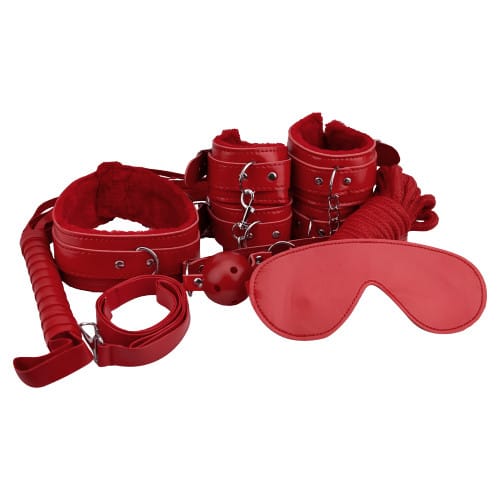


Browse more in Couples’ Play, or see our guide to body-safe materials.
If this is worrying you, Relate offers sex therapy, and you can find an accredited therapist through the College of Sexual and Relationship Therapists.
Sources
Devon Sexual Health (NHS): Consent·Let’s Talk About It (NHS): What is consent?·Sefton Sexual Health (NHS): Consent and sex
This article is for general information only and is not medical advice; speak to your GP or a qualified health professional.