No products in the cart.

Water-Based & Silicone LubesLoving Joy Slide Water-Based Lubricant 250mlNo reviews yet£7.99Add to basket






A short video explaining “tenting” has been doing the rounds on TikTok, and it has a lot of people asking the same question: what is my body actually doing when I get turned on? Female arousal is a physical process with several moving parts, and most of us were never taught the details.
The short answer is that it takes a little time, and that hurrying past it can make sex uncomfortable. This guide explains what is happening, in plain language, and then covers practical ways to give your body what it needs. No performance required.
Arousal starts with blood flow. When you are aroused, the nervous system increases blood flow to the genital tissues, especially the clitoris, the labia and the walls of the vagina, according to a medical textbook chapter on sexual anatomy and physiology. Textbooks call this engorgement, or vasocongestion, and it is why the area can feel fuller, warmer and more sensitive.
Other changes follow. A standard gynaecology reference describes the phases of the female sexual response as excitement, plateau, orgasm and resolution, with the clitoris drawing back under its hood as arousal builds. Everyone moves through these at their own pace, and the order and timing can vary from one occasion to the next.
Lubrication is one of the earliest signs. The same textbook chapter describes how increased blood flow raises pressure in the tissue, so that fluid seeps through the vaginal walls, and that this can begin within seconds of stimulation. Secretions from the Bartholin’s glands are also described as adding to the moisture, according to the gynaecology reference.
It helps to see lubrication as one part of a wider picture rather than a simple on-off switch. Tiredness, stress, hormones and medication can all play a part, so how wet you feel is only one clue about how ready you are. Checking in with how you feel is more useful than watching for a sign.

Tenting is the name for a change that happens deeper inside as arousal builds. The upper part of the vagina lengthens and widens, and the uterus lifts, creating a roomier space, a bit like a tent being pitched. The gynaecology reference linked above describes this as the vagina developing a wider platform and the uterus elevating as the plateau phase develops.
The detail worth taking away is that these changes are gradual. They build in stages, and there is no fixed timetable. If penetration starts before your body has had a chance to get there, it is reasonable to think the experience may be less comfortable, which brings us to the next question.
The NHS notes that vaginal dryness can cause soreness and discomfort, including during sex, and lists exploring foreplay to increase arousal among its self-help suggestions on its vaginal dryness page. Dryness has many possible causes, including hormonal changes around menopause, pregnancy and breastfeeding, and some medicines, so it is not always about warm-up.
Some people also find that tension makes things harder. When your body is braced, it is more difficult to relax into touch, and rushing tends to add to that. Slowing down gives both your muscles and your mind time to settle.
Pain that keeps coming back deserves attention. The NHS advises seeing a GP if dryness lasts several weeks despite self-care, affects your daily life, comes with unusual discharge, or if you bleed after sex. Sometimes your pelvic floor is part of the picture too.
If this is worrying you, Relate offers sex therapy, and your GP can point you towards an accredited therapist.
Start with the conversation. Agreeing that there is no rush takes pressure off everyone, and it can be as simple as saying “let’s take our time tonight”. Our guide to talking about intimacy with your partner has some easy phrases to borrow.
Then build in a proper warm-up. That might mean kissing, massage, or touch that has nothing to do with penetration, and letting it go on longer than feels natural at first. If you like the idea of a slower rhythm in general, we wrote about slow sex and what the research does and does not say.
Add some help if you want it. The NHS recommends water-based lubricants before sex, applied to the vulva and vagina, to a partner’s fingers or penis, or to a sex toy. You can browse our range of lubricants to find a texture you like. Avoid creams or lotions that are not made for the vagina, as the NHS warns these can cause irritation.
Toys can be a useful extra in the warm-up too. A vibrator gives steady, focused stimulation, which some people find helps arousal build without anyone getting tired hands. If you are new to them, start with our guide to vibrators for beginners, or look through all our vibrators.
Female arousal is a physical process. Blood flow to the genitals increases, natural lubrication starts, and deeper inside the vagina lengthens and the uterus lifts, a change often called tenting. These changes build in stages with no fixed timetable, so rushing can leave your body behind your intentions. Slow down, talk about it, add a water-based lubricant if it helps, and see your GP if pain keeps happening.
Tenting describes the way the upper vagina lengthens and widens while the uterus lifts as arousal builds. It is described in gynaecology textbooks such as this reference on female sexual function.
Not always. Lubrication is one part of arousal, and it can be affected by stress, tiredness, hormones and some medicines. Paying attention to how comfortable and relaxed you feel is a better guide than one sign alone.
Yes, many people do, and it varies from day to day. The NHS lists exploring foreplay to increase arousal as a self-help step for vaginal dryness, so taking your time is a sensible approach.
The NHS suggests water-based lubricants for use before sex, including with sex toys. Check the ingredients if you have sensitive skin, and check the care instructions for any toy you use. You can see our lubricants for options.
The NHS advises speaking to a GP if dryness lasts for several weeks despite self-care, affects your daily life, comes with unusual discharge, or if you have bleeding after sex. Read the NHS guidance for details.
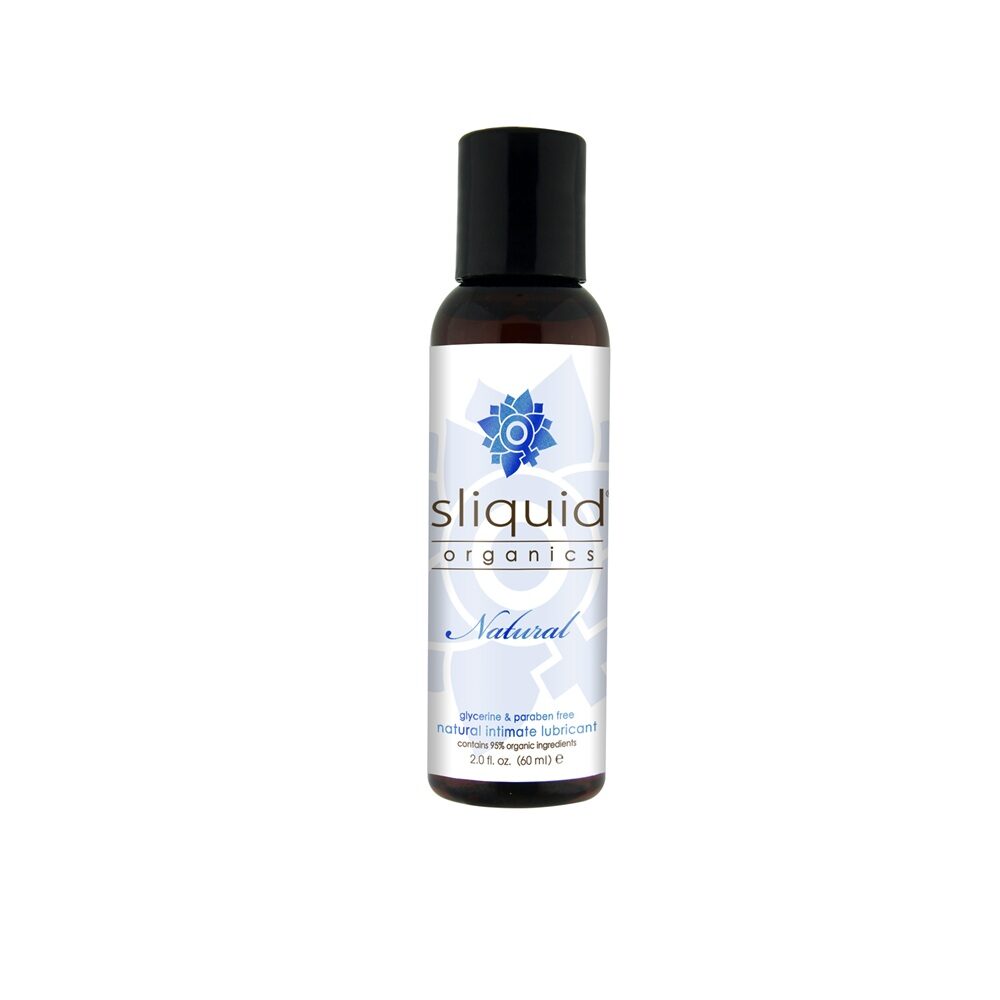
If you would like some extra glide while you take your time, these water-based options are a good place to start.
Ladyloving sells the products we write about. These are relevant to this article, not a ranking.
NHS: Vaginal dryness·GLOWM: Female sexual function·Springer: Relevant sexual anatomy, physiology and endocrinology·Relate: Sex therapy
This article is for general information only and is not medical advice; speak to your GP or a qualified health professional.