No products in the cart.

Recent Posts

Cystitis After Sex: Why It Happens and ...
13/10/2026 Comments Off on Cystitis After Sex: Why It Happens and What Helps
When One of You Wants Sex More ...
06/10/2026 Comments Off on When One of You Wants Sex More Than the Other
Body-Safe Sex Toys: A Plain Guide to ...
01/10/2026 Comments Off on Body-Safe Sex Toys: A Plain Guide to Materials
What Happens to Your Body When You’re ...
29/09/2026 Comments Off on What Happens to Your Body When You’re Turned On (and Why Rushing Hurts)The phrase “self-care” has become its own kind of pressure. What started as a genuine idea — make time for yourself, treat your wellbeing as a priority — has turned into an industry that sells elaborate morning routines, expensive supplements, and the quiet implication that if you’re still running on empty by Wednesday, you’re simply not doing enough of it.
Many women are very good at getting on with things and less good at stopping to consider their own needs, and this has added a particular strain. You’re not just exhausted. You’re exhausted and apparently not managing your self-care properly either. It’s a specific kind of tired.
So here’s a more grounded version: the practices that actually make a difference are usually smaller, less photogenic, and considerably less expensive than the wellness industry would have you believe. This post is about those ones.
The habits that actually stick
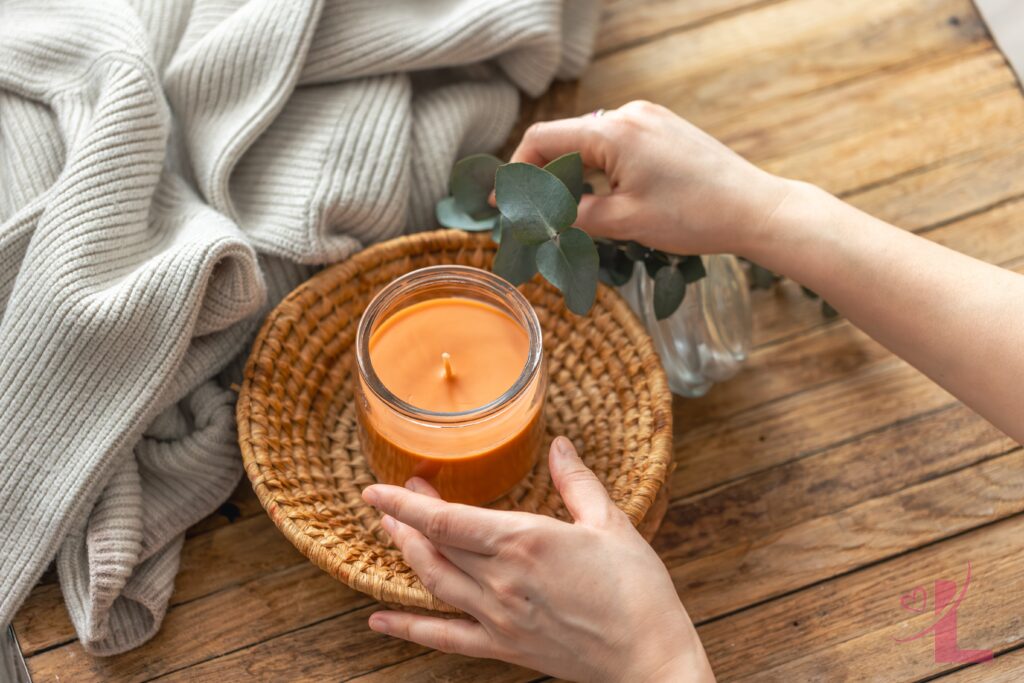
The NHS’s Five Steps to Mental Wellbeing point to small, consistent things: connecting with other people, being active, learning new skills, giving to others and paying attention to the present moment (NHS), and the NHS also has practical advice on sleep (NHS). Protect one part of the day that belongs to you. It doesn’t have to be productive or useful.
That last one is harder than it sounds. “Time for yourself” is easy to name and difficult to actually protect, particularly if you’re managing a household, a career, relationships, and the general administrative weight of adult life in the UK in 2026. A common reason self-care habits don’t stick is that the habits people try to build are too large, too time-consuming, or too contingent on a version of their life that doesn’t quite exist yet.
The practices that hold up over time are the ones that can survive a bad week. Ten minutes of walking. Going to bed earlier on three nights instead of seven. Reading something that has nothing to do with work. These aren’t glamorous, but they’re the ones that are still there six months later.
Why so much wellness advice misses the point
A significant portion of wellness content is designed to sell something, and that shapes the advice. Products, programmes, and retreats are easier to market than “sleep more and talk to someone you trust.” The result is a category that consistently overcomplicates what is, at its core, a fairly simple set of needs.
There’s also a particular blind spot in mainstream wellness content around women’s physical needs — specifically around pleasure and intimacy as legitimate components of health. Nutrition gets extensive coverage. Fitness gets extensive coverage. And pleasure? That belongs in the wellbeing conversation too. Rarely mentioned, and when it is, usually handled with enough euphemism to be essentially useless.
This is worth noting plainly, because ignoring it means a significant part of self-care is going unaddressed for a lot of women. For many people, physical wellbeing includes their relationship with their own body and their own pleasure. We’ve covered this in more depth in our post on self-love and confidence, if you want to go further with it.
Physical self-care: the parts that often go unmentioned
Physical self-care is usually framed as exercise, nutrition, and sleep — all of which matter. But there are aspects of physical wellbeing that don’t get the same airtime, particularly for women navigating different life stages. How your body feels in terms of tension, comfort, and physical ease is part of the picture. So is how well you know your own body, and how much attention you pay to your physical needs outside of health contexts.
The NHS lists reduced sex drive, vaginal dryness and sleep problems among the symptoms of the menopause (NHS), and many women have not had a conversation about what to expect or what to do about it. We’ve written about this specifically in our piece on the perimenopause pleasure gap, because it’s a part of physical self-care that deserves more than a footnote.
The point isn’t to add more items to your self-care list. It’s to expand what you consider eligible for your attention and care — including the parts of your physical experience that the wellness industry tends to gloss over.
Making it work when life doesn’t slow down
The most useful reframe for sustainable self-care is moving away from the idea of a routine and towards the idea of a practice — something you return to, imperfectly, rather than something you maintain perfectly. Routines fail. Practices adapt.
In practical terms, this means identifying two or three things that reliably help you feel more like yourself — not what the internet says should help, but what actually does — and treating those as the non-negotiables. Everything else is optional. The elaborate skincare routine, the journalling, the digital detox: useful if they work for you, not mandatory if they don’t.
It also means being honest about what self-care is compensating for. Sometimes the answer is “I’m just tired and I need more sleep.” Sometimes it’s “there’s something I’ve been avoiding thinking about.” And sometimes it’s “I’ve been very focused on everyone else’s needs and I’ve stopped paying attention to my own.” Each of those calls for something different, and a morning routine won’t fix all three.
FAQ
What counts as self-care?
Anything that genuinely restores you — not what feels productive or what you think you should be doing. Sleep, movement, connection, quiet, pleasure, creative work, doing nothing at all. If it makes you feel more like yourself, it counts.
Do I need a self-care routine?
No. Routines work for some people and feel like a burden for others. What matters is that you have some practices you return to when you need them. They don’t have to happen in a sequence or at the same time every day.
Is self-care selfish?
This question usually answers itself when you think about why you’re asking it. The answer is no — attending to your own wellbeing makes you more, not less, able to be present for the people and things that matter to you.
How do I start if I have very little time?
Start with the smallest possible version. Five minutes of something that is genuinely yours — not useful, not productive, just for you. That’s enough to begin with.
What if what I need isn’t on any wellness list?
Then it’s probably exactly what you need. Self-care is personal. There’s no universal formula, and the more specific your understanding of your own needs, the more useful it becomes.
Shop the Story
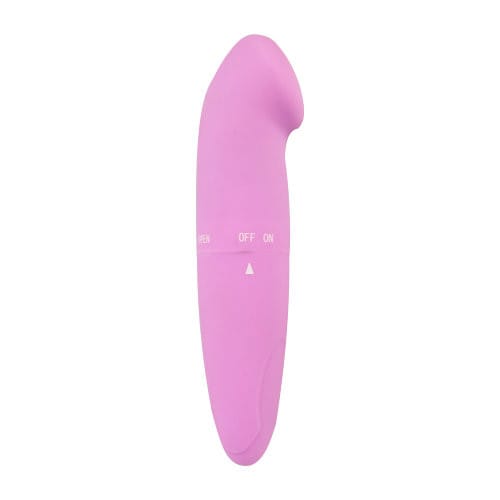
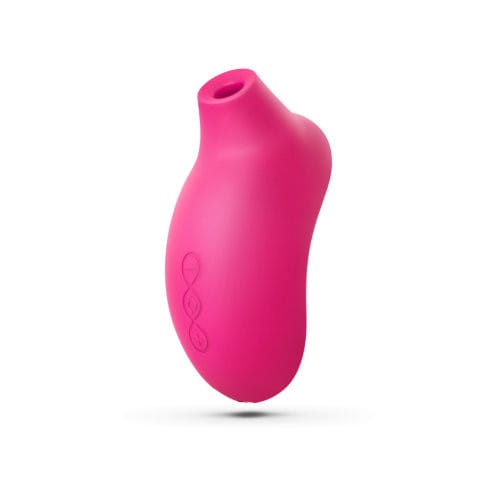
If physical self-care includes making time for your own pleasure — which it does — these are worth a look.