No products in the cart.


Recent Posts

Cystitis After Sex: Why It Happens and ...
13/10/2026 Comments Off on Cystitis After Sex: Why It Happens and What Helps
When One of You Wants Sex More ...
06/10/2026 Comments Off on When One of You Wants Sex More Than the Other
Body-Safe Sex Toys: A Plain Guide to ...
01/10/2026 Comments Off on Body-Safe Sex Toys: A Plain Guide to Materials
What Happens to Your Body When You’re ...
29/09/2026 Comments Off on What Happens to Your Body When You’re Turned On (and Why Rushing Hurts)There’s a moment, and plenty of women in the UK will recognise it, when you catch yourself giving everyone else your best and wondering what’s left for you. It’s not a crisis exactly. It’s more like a quiet erosion: the kind that happens gradually, without fanfare, until one day you realise you’ve stopped prioritising how you feel in your own body. Self-love practices aren’t a concept reserved for journalling at sunrise or expensive spa days. At their most practical, they’re the daily acts of treating yourself with the same care and attention you’d extend to someone you love. And increasingly, that includes your relationship with intimacy.
Looking after yourself is not self-indulgence. So what does self-care look like once you get past face masks and bubble baths?

Why Confidence and Self-Care Are More Connected Than You Think
Confidence isn’t built in front of a mirror reciting affirmations. You build it through repeated acts of self-respect. Small, consistent choices, made often enough to count. When you skip rest, skip meals, skip the things that make you feel like yourself, the message accumulates. Over time, that quiet neglect chips away at the foundation of how you see yourself.
This is where intentional self-care changes things. Not the performative kind that looks good on social media, but the kind that’s genuinely restorative. Getting adequate sleep. Moving your body in ways you actually enjoy. Creating space in your week that belongs only to you. These aren’t luxuries, they’re the building blocks of a stable sense of self. And when your sense of self is stable, confidence follows naturally.
The Sleep-Desire Connection explores this brilliantly, because rest isn’t just about physical recovery. It directly affects how connected, confident, and emotionally available you feel in every area of your life, including intimacy.
Reclaiming Intimacy as Part of Your Wellbeing
For a long time, intimacy, and particularly solo intimacy, wasn’t spoken about as a legitimate part of wellbeing. That’s changing. For a lot of women, wellbeing includes their relationship with their body and with their own pleasure.
Solo intimacy helps some women relax, and gives them a sense of ownership over their own body. That’s personal experience, not a proven effect. That last part matters more than it’s often given credit for. When you actively choose to explore what feels good for you, without performance, without obligation, it sends a quiet but powerful message to yourself: your pleasure counts.
This doesn’t need to be complicated. It might mean carving out twenty minutes where you’re not available to anyone. It might mean investing in a vibrator that you actually use. It might mean simply allowing yourself to be present in your body without immediately pivoting to everything else on your to-do list. The details look different for everyone. The principle is the same.
Slow Sex: Why the UK Is Falling in Love With Mindful Intimacy goes into this idea further, because slowing down and becoming present is itself an act of self-love, and one that pays dividends well beyond the bedroom.

Building a Self-Care Ritual That Actually Sticks
The reason most self-care routines collapse within a fortnight is that they’re designed to be impressive rather than sustainable. They’re too elaborate, too time-consuming, or too disconnected from what you actually need. A routine that sticks is one that fits the real shape of your life, not an idealised version of it.
Start by identifying one or two things that genuinely restore you. Not the things you think should restore you. The things that actually do. For some women, that’s a walk without a podcast. For others, it’s cooking something unhurried. For others still, it’s an evening practice around solo pleasure or mindful touch that helps them reconnect with their body after a demanding day.
Once you’ve identified what works, protect it. Put it in your calendar if that’s what it takes. Tell your household you’re unavailable. Treat it with the seriousness you’d give any other commitment, because that’s exactly what it is, a commitment to yourself.
The environment you create matters too. How Environment Affects Intimacy in UK Relationships makes the case compellingly: the physical space around you shapes how safe and present you feel. Even small changes, softer lighting, a tidy bedroom, your phone in another room, can shift the quality of your experience significantly.
The Role of Pleasure Tools in Self-Care
There’s nothing radical about using a vibrator as part of a self-care practice. National US surveys found vibrator use among women is common, and linked with more positive sexual function scores. Surveys can’t show cause and effect ( Herbenick et al., 2009 ). If you’ve spent years putting your own pleasure last, owning something made for it is a statement in itself.
If you haven’t explored this area, or you’re thinking about updating what you have, it’s worth approaching it the same way you’d approach any other self-care investment. Consider what you actually need, read some reviews, and choose something made by a brand that takes quality seriously. Price points vary enormously, and there are genuinely good options at every level.
The Bigger Picture: Self-Love Isn’t Selfish
It’s worth saying plainly, because the cultural messaging around this is still confused: taking care of yourself is not selfish. It does not come at the expense of the people you love. In fact, looking after yourself can leave you with more energy for the people you love.
Self-love is a practice, not a personality trait. It’s something you build through small, repeated choices that say: I am worth looking after. When intimacy is part of that practice, when pleasure is treated as a legitimate component of a healthy life rather than something to feel guilty about, the effect on confidence, mood, and overall wellbeing is tangible.
You don’t need a dramatic lifestyle overhaul to begin. Self-love practices start small: a consistent bedtime, a pleasure tool you actually use, twenty minutes in the week that belong only to you. Stay consistent, and take your own needs as seriously as everyone else’s.
FAQ
Does self-care really affect confidence?
Yes, genuinely. Confidence isn’t a trait you’re born with or without; it’s built through repeated acts of self-respect. When you consistently prioritise your own needs and wellbeing, it reinforces an internal sense that you matter, which directly affects how you show up and how you feel about yourself.
Is solo intimacy really considered self-care?
Plenty of women would agree. It is a personal choice. If you have questions about sexual health, your GP or a sexual health clinic can help.
How do I start a self-care routine if I’m short on time?
Start smaller than you think you need to. Even ten minutes a day of something genuinely restorative is more effective than an elaborate routine you abandon after a week. The key is consistency and choosing things that actually restore you, rather than things that look good in theory.
What should I look for when choosing a vibrator?
Quality, reliability, and something that suits your body and preferences. Check the maker’s stated materials (silicone and ABS plastic are non-porous and easier to clean, per Suffolk Sexual Health Service), follow the maker’s instructions for cleaning and lubricant, and consider whether you want something discreet and simple or more feature-rich. Reading reviews from verified buyers is a sensible starting point.
Can improving your relationship with your own body affect your relationships with others?
Almost certainly. Women who feel more comfortable and confident in their own bodies tend to communicate more clearly about what they need and want, in and out of the bedroom. That clarity and confidence benefits every relationship around them.
Shop the Story
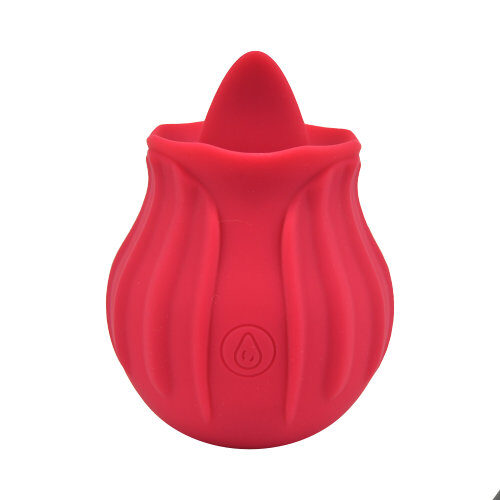
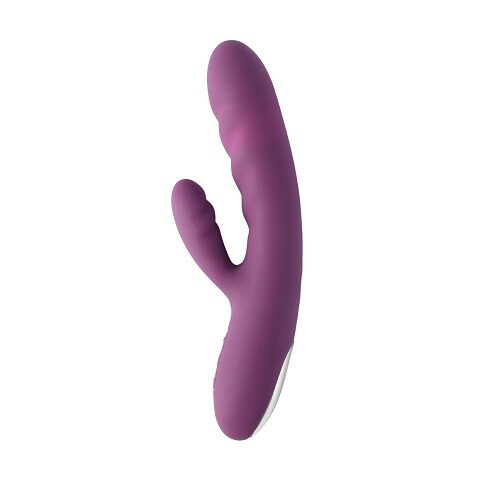
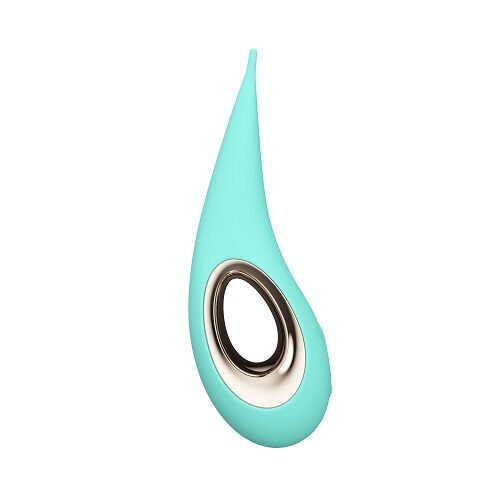
Ready to invest in your own wellbeing? Here are three of our most loved vibrators to explore.