No products in the cart.


Recent Posts

Cystitis After Sex: Why It Happens and ...
13/10/2026 Comments Off on Cystitis After Sex: Why It Happens and What Helps
When One of You Wants Sex More ...
06/10/2026 Comments Off on When One of You Wants Sex More Than the Other
Body-Safe Sex Toys: A Plain Guide to ...
01/10/2026 Comments Off on Body-Safe Sex Toys: A Plain Guide to Materials
What Happens to Your Body When You’re ...
29/09/2026 Comments Off on What Happens to Your Body When You’re Turned On (and Why Rushing Hurts)Pelvic floor health has quietly become one of the most talked-about topics in UK women’s wellness. Once dismissed as a postpartum concern, it is now recognised as a foundation of female wellbeing across every life stage. A 2025 review of five trials in postmenopausal women found that pelvic floor muscle training was associated with better arousal, orgasm and sexual satisfaction scores, but no clear benefit for desire or lubrication (Sexual Medicine, 2025), and a 2024 meta-analysis rated the certainty of the evidence as very low (AJOG, 2024). The conversation has arrived, and women across the UK are paying attention.
What Exactly Is the Pelvic Floor?
A group of muscles, ligaments, and connective tissues that form a hammock-like base to the pelvis, the pelvic floor supports the bladder, bowel, and uterus. Think of it less as a single muscle and more as a dynamic, responsive system that reacts to stress, posture, hormonal shifts, and lifestyle.
Why It Matters Beyond the Basics
Most people first encounter pelvic floor advice during pregnancy or after childbirth, framed almost entirely around bladder control. While that connection is real, it tells only part of the story. This muscle group is deeply entwined with sexual feeling, arousal response, and the quality of intimate experience.
A pelvic floor that works well can both engage and fully release, and that may influence sensitivity and comfort. Pelvic floor muscle tension can be linked with pain during sex and other pelvic symptoms; a 2022 systematic review found that pelvic floor physiotherapy may help, although the authors call for better-quality trials (Sex Med Rev, 2022). Muscles that have lost tone through age or hormonal change can also affect confidence and comfort.
What the Numbers Tell Us
A 2022 survey of 2,000 UK women by Opinium for the Royal College of Obstetricians and Gynaecologists found that over 60% had at least one symptom of poor pelvic floor health, that 55% did not currently do pelvic floor exercises or had never done them (nearly a quarter said they did not know how), and that 69% had not spoken to anyone in the NHS about it (RCOG). The NHS notes that you may need to do pelvic floor exercises for a few months before you see any benefits (NHS).
The Pleasure Dimension Nobody Talks About Enough
A 2025 review in Sexual Medicine pooled five randomised trials covering 527 postmenopausal women. It found large improvements in orgasm, arousal and satisfaction scores, small negative effects on desire and lubrication, and no significant improvement in pain. The authors describe the evidence as limited ( SMOA, 2025 ). A 2024 meta-analysis reported similar improvements but rated the certainty of the evidence as very low (AJOG, 2024).
The Role of Relaxation
Pelvic floor advice often focuses on strengthening, but tension can matter too: tightness can be linked with pain during sex, and a pelvic health physiotherapist can assess whether strengthening, relaxing or both would suit you (Sex Med Rev, 2022). If sex is painful, speak to your GP before starting a new routine.
Gentle vibration feels relaxing to a lot of women. It is not a treatment for any condition. If you would like to explore, browse our vibrators and follow the maker’s instructions for use, cleaning and lubricant.
Lubrication and Tissue Health
Low oestrogen around the menopause or during breastfeeding can cause vaginal dryness, and so can perfumed soaps, washes and douches (NHS). This is physiology, not failure. The NHS suggests water-based lubricants before sex and vaginal moisturisers for dryness, and says to see a GP if it lasts a few weeks and self-help is not working. You can browse our lubricants and intimate care range.
Building a Pelvic Floor Practice
Starting is simpler than most people expect.
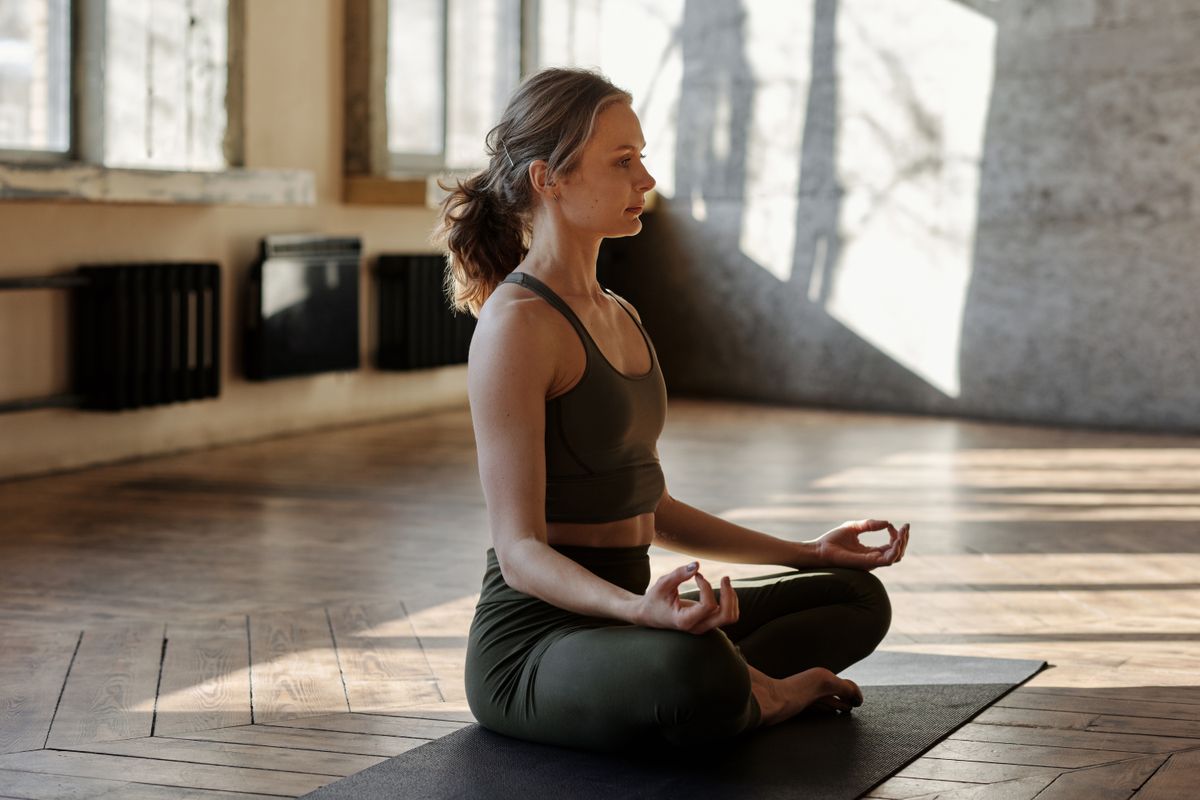
Locate the muscles first. Imagine stopping the flow of urine — the muscles you engage are the ones to work with. Do not practise this while actually urinating.
One NHS page suggests squeezing the pelvic floor muscles, holding for 2 seconds, relaxing, and repeating 10 times (NHS), and one NHS trust leaflet suggests starting with a hold of about 5 seconds repeated 5 times and building up to 10 slow and 10 fast squeezes, at least three times a day (North Bristol NHS Trust). A GP or pelvic health physiotherapist can check your technique and tailor a routine.
Some people use kegel training tools to make the practice feel less abstract. They are entirely optional. A pelvic health physiotherapist can tell you what suits you.
The Broader Picture
Pelvic floor health belongs at the centre of how women think about their bodies, part of a broader conversation about self-knowledge, comfort, and pleasure across a lifetime. UK women are increasingly approaching wellness from the inside out, moving away from reactive care and towards genuine body literacy. These muscles are worth knowing.