No products in the cart.


Recent Posts

Is Your Nervous System Compatible? The Dating ...
14/06/2026 Comments Off on Is Your Nervous System Compatible? The Dating Question UK Couples Are Asking in 2026
Slow Down to Feel More: Why Soft ...
14/06/2026 Comments Off on Slow Down to Feel More: Why Soft Life Intimacy Is the Wellness Shift UK Couples Are Embracing in 2026The question couples once asked on a first date — “What do you do?” or “Where are you from?” — has shifted. In 2026, a growing number of people in the UK are asking something far more revealing: Does my nervous system feel safe around you?
Nervous system compatibility has quietly become one of the most talked-about concepts in relationships and intimacy this year. Rooted in attachment theory, polyvagal research, and the wider somatic wellness movement, it describes the way two people’s physiological states interact — whether they tend to calm each other down or wind each other up. And once you understand it, attraction and connection never look quite the same again.
What Nervous System Compatibility Actually Means
At its core, your nervous system is constantly scanning the environment for signals of safety or threat — a process called neuroception, coined by neuroscientist Dr. Stephen Porges. It happens below conscious thought, well before you’ve decided whether you like someone.
When two people are nervous system compatible, their physiological rhythms tend to complement each other. One partner’s regulated, calm presence can help settle an anxious one. Breathing slows. Shoulders drop. There’s an ease to being together that doesn’t require effort.
When there’s incompatibility, you might notice the opposite: a low-level tension that never quite dissolves, difficulty relaxing fully, or a persistent sense of being slightly on guard — even with someone you genuinely care for. It doesn’t mean the relationship is doomed, but it does mean there’s deeper work to do.
Why This Is Resonating So Strongly Right Now
The timing makes sense. After several years of collective stress — economic pressure, digital overload, pandemic aftershocks — more people in the UK are attuned to how their bodies feel in the presence of others. Therapy-informed language has entered everyday conversation. Phrases that once belonged in a counsellor’s room are now part of how people describe their relationships to friends over a drink.
A generational shift is at play too. Younger adults are less willing to override their bodies’ signals for the sake of maintaining a relationship that looks right on paper. The question isn’t only “Do we have chemistry?” but “Do I feel at ease? Can I breathe fully when we’re together?”
This extends into the bedroom too. Arousal requires a degree of nervous system safety. When the body is braced for threat — even subtly — it resists full pleasure. Understanding nervous system states isn’t just useful for communication — it shapes physical intimacy and how fully present both partners can be with each other.

How to Tune Into Your Own Nervous System in Relationships
You don’t need a neuroscience degree to start paying attention. The signals are often simple.
Notice how your body feels after time with your partner. Are you more energised or more depleted? Do you feel settled or slightly wired? These aren’t just mood observations — they’re information.
Pay attention to repair. After conflict, does tension dissolve relatively quickly, or does it linger for hours? The speed of nervous system recovery after rupture is often a strong indicator of compatibility.
Explore co-regulation tools together. Breathwork, slow touch, and time away from screens are all ways couples can practise coming into a shared state of calm. Some couples incorporate sensory rituals — like warming the room with a massage candle before slow, intentional touch — to signal safety to each other’s nervous systems before deeper intimacy.
Nervous System Differences Don’t Equal Incompatibility
Nervous system differences don’t necessarily mean a relationship won’t work. People with anxious and avoidant attachment styles, for example, often find themselves drawn to one another — and with awareness and communication, those differences can be worked through thoughtfully.
What matters most is whether both partners are curious rather than defensive about their patterns. Whether they’re willing to do the slower, quieter work of building felt safety — not just assuming it will arrive on its own.
In 2026, the most meaningful shift in how UK couples approach intimacy isn’t about technique or novelty. It’s about coming back to something more fundamental: the question of whether you can truly rest in someone else’s presence. That, it turns out, is one of the most intimate things there is.

Amoreane Massage Candle Caribbean Passion
£12.99 Add to basket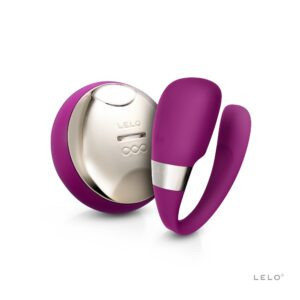
LELO Tiani 3 Couples Massager Deep Rose
£139.99 Add to basket